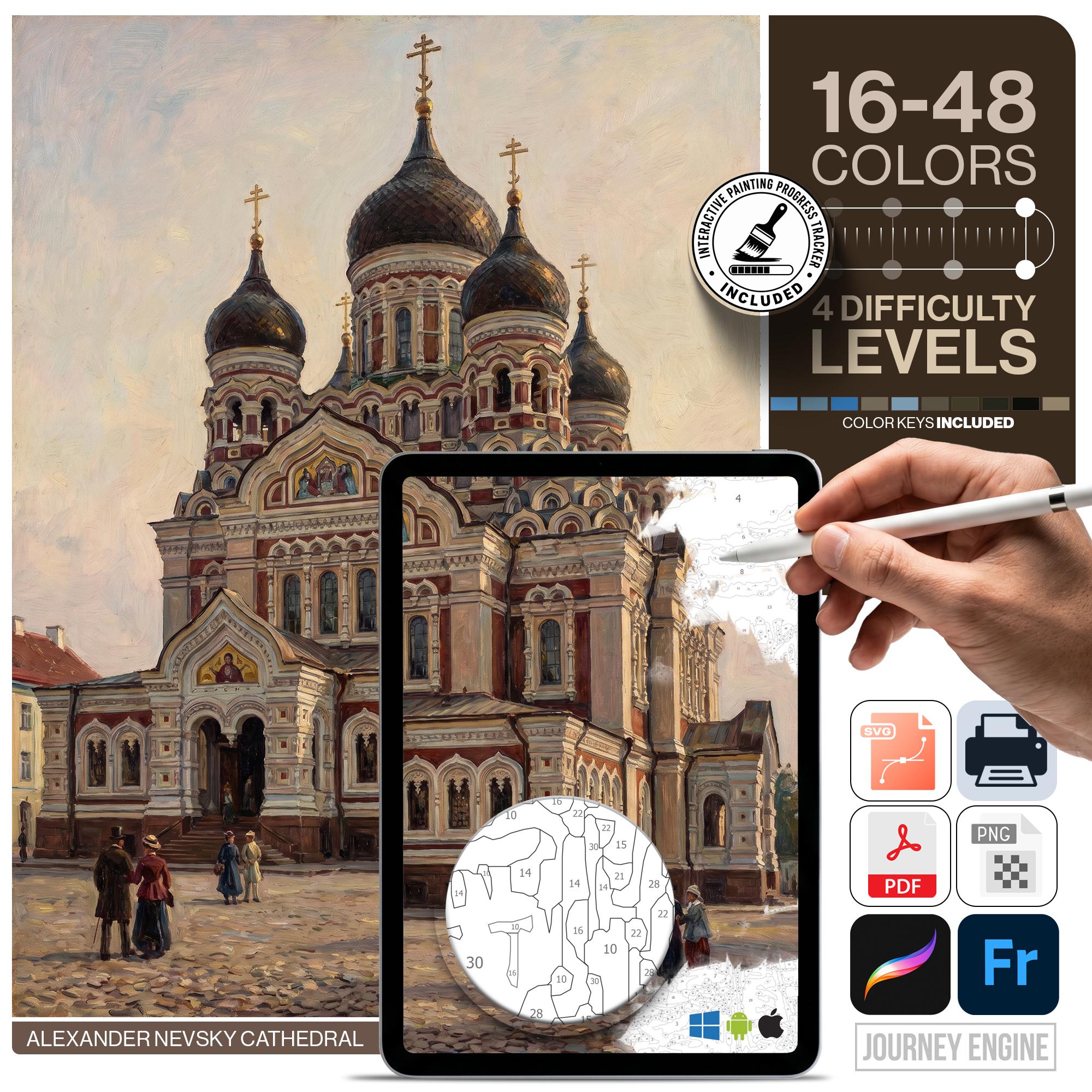
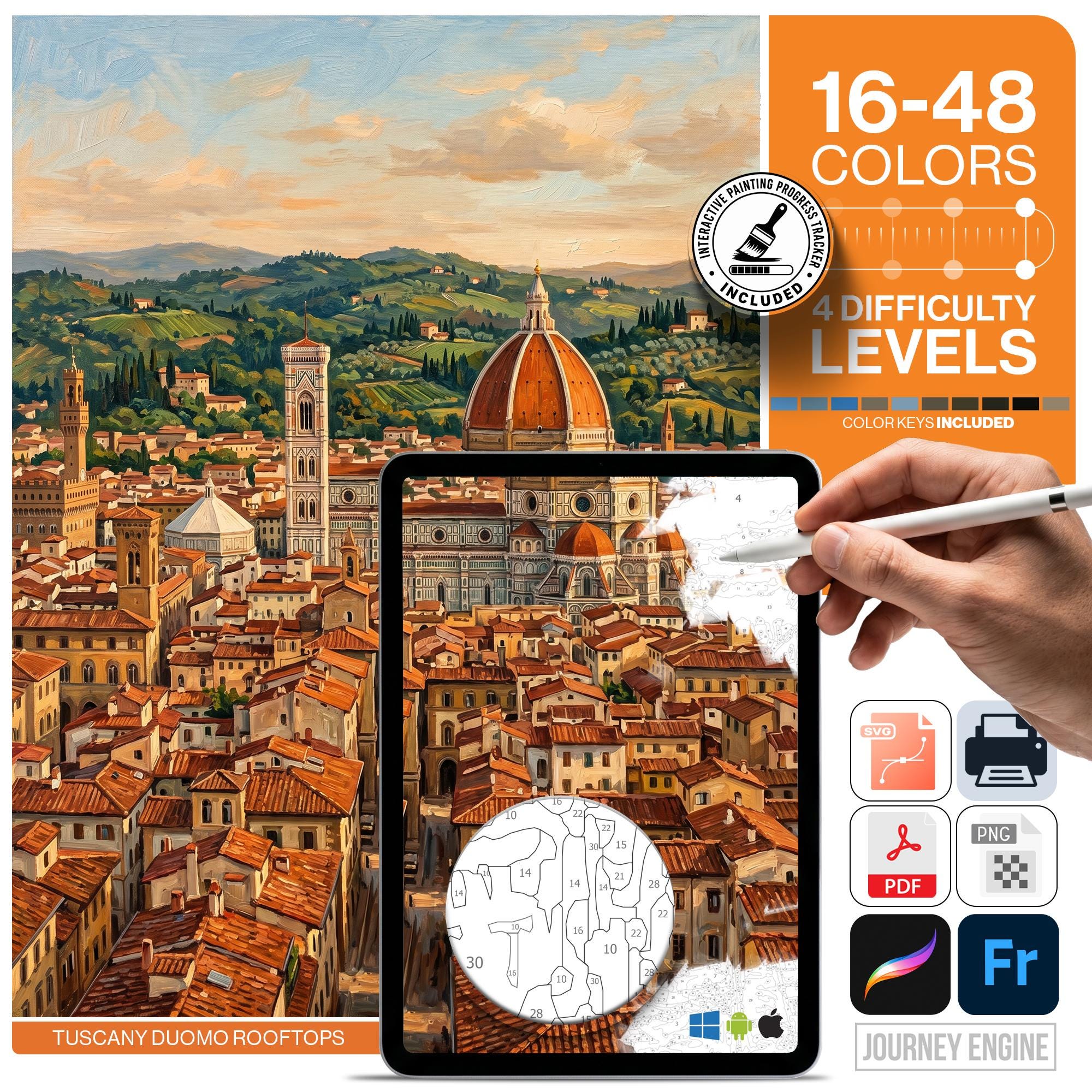
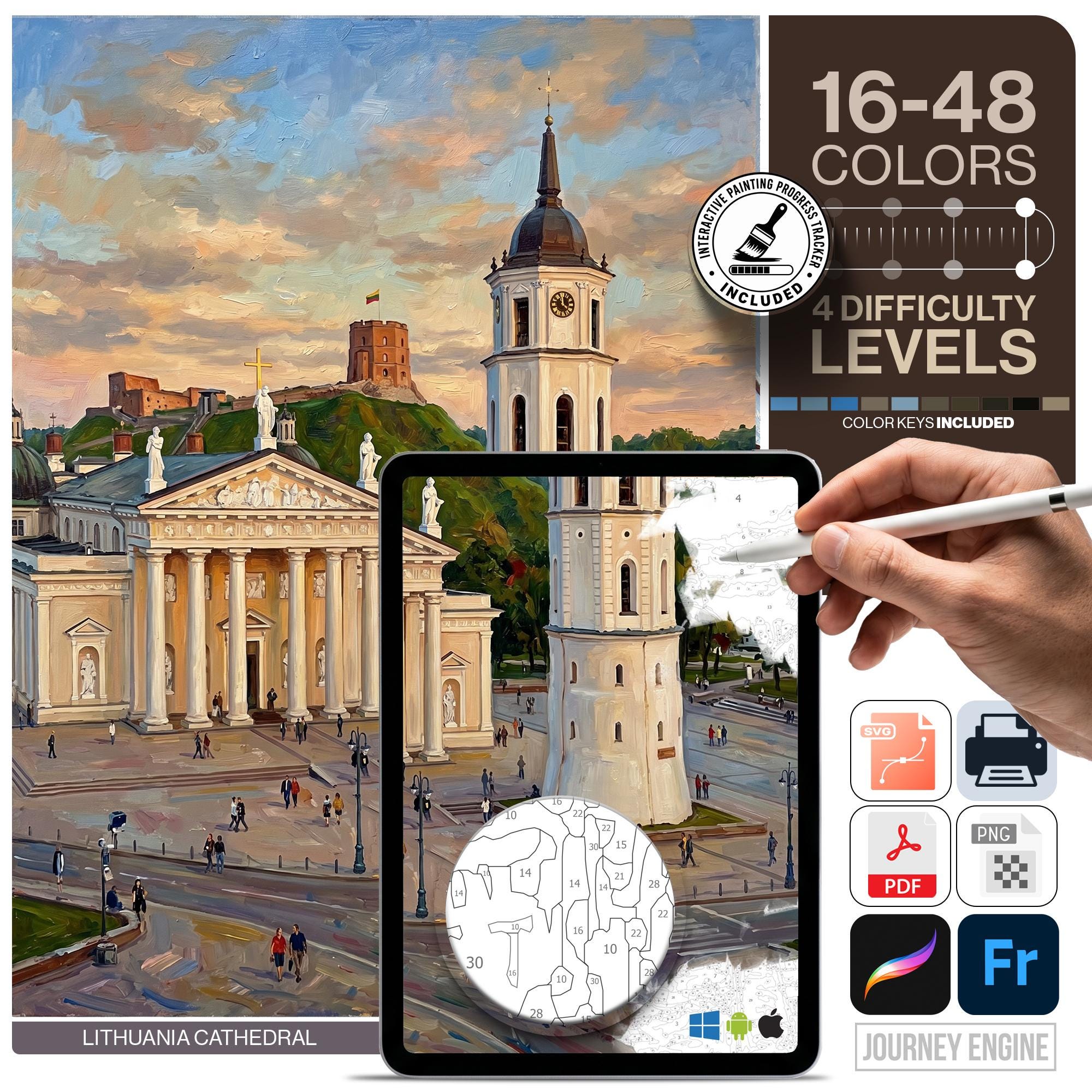
A closer look
Product description.
Scroll inside the box to read the full description.
🎨🌸 Paint 20 kilograms of pure gold leaf reflected in a mirror pond — Kinkaku-ji Golden Pavilion in cherry blossom
The extraordinary 1955 rebuilt three-storey Zen Buddhist temple pavilion with its distinctive upper two storeys entirely covered in real 24-carat gold leaf and elegant curved traditional Japanese temple roof with warm gold phoenix statue at the peak rising against a bright cobalt sky with soft white clouds. Brilliant warm gold gilded pavilion catching brilliant afternoon light in exquisite detail. Warm cream first storey catching afternoon warmth. The surrounding Kinkaku-ji Zen garden in explosive spring bloom with dense cascading cherry blossom sakura trees with brilliant soft blush pink flowers cascading over the mirror pond and framing the pavilion. Dense green Japanese pine trees providing contrast. The still Kyoko-chi Mirror Pond in the foreground perfectly reflecting the gold pavilion and pink cherry blossoms in shimmering gold and coral reflections. Warm cream stone pond banks with cascading pink cherry petals scattered along the path. Warm silhouettes of Japanese visitors in colourful pastel spring kimonos strolling the garden path enjoying hanami. Warm silhouette of a small Japanese pink koi in the mirror pond. Kinkaku-ji in spring is Japan at its most opulent and most sacred — the postcard shot of Kyoto Zen Buddhism, and a temple burned down and rebuilt from ashes. And it is your painting.
Walk the garden path. Watch gold and pink meet in the pond. Let the brush find the sakura. Paint it on your iPad or print it and paint on canvas — both are included.
━━━━━━━━━━━━━━━━━━━━━━
🎨 WHAT YOU GET
✔️ 5 difficulty levels — 16, 24, 48, 72 and 96 colors — beginner to expert in one download
✔️ 3 outline versions — numbered, blank and preview
✔️ SVG + PDF + PNG file formats — print at any size without blurring
✔️ Procreate colour swatches — drop the palette straight into your iPad
✔️ HEX-coded colour palette on every page
✔️ Instant digital download — nothing shipped
━━━━━━━━━━━━━━━━━━━━━━
✨ A LITTLE BIT OF HISTORY
Kinkaku-ji — officially known as Rokuon-ji (literally "the Deer Garden Temple"), and popularly known as Kinkaku-ji ("the Temple of the Golden Pavilion") — stands on the shore of the Kyoko-chi Mirror Pond in the northern hills of Kyoto, Japan. It is one of the most-visited and most-photographed Buddhist temples in the world, and one of the finest examples of Japanese Muromachi period Zen Buddhist architecture. The site was originally established in 1397 by Shogun Ashikaga Yoshimitsu (the third shogun of the Ashikaga shogunate) as his personal retirement villa. Yoshimitsu was one of the most powerful and culturally sophisticated rulers of medieval Japan — he unified the country after decades of civil war, established diplomatic relations with Ming Dynasty China, and became the greatest patron of the Japanese arts of the Muromachi period, personally sponsoring the development of Noh theatre, the Japanese tea ceremony, and Zen Buddhist landscape painting. Yoshimitsu commissioned the pavilion to serve as his personal meditation retreat and as a diplomatic reception hall for Chinese envoys. Upon his death in 1408, Yoshimitsu's son Ashikaga Yoshimochi honored his father's wishes and converted the entire villa complex into a Zen Buddhist temple of the Shokoku-ji school (Rinzai sect). It has remained an active Zen Buddhist temple continuously for the past 620 years. The pavilion's most extraordinary feature is its distinctive three-storey architectural design combining three completely different Japanese architectural styles — one style per storey — a rare and highly sophisticated design choice reflecting Yoshimitsu's aesthetic sophistication. The first storey (Hō-sui-in, "Chamber of Dharma Waters") is built in the elegant native Japanese Shinden-zukuri palace style, characterised by elegant natural wood, sliding shōji screens, and open verandas. The second storey (Chō-on-dō, "Tower of the Sound of Tide") is built in the samurai Buke-zukuri warrior style, featuring more enclosed martial architecture. The third and highest storey (Ku-kyō-chō, "Firmament Top") is built in the Chinese Zen Buddhist Karayō (Tang dynasty) style, and is the most sacred space in the entire building — this is where Yoshimitsu meditated and where holy Buddhist relics were traditionally displayed. The upper two storeys of the pavilion are entirely covered in real 24-carat gold leaf, applied to elaborate underlying Japanese cypress wood construction using traditional Japanese urushi lacquer as adhesive. The current gold leaf application (last completed in 2003) uses approximately 20 kilograms of pure gold. On the peak of the pavilion's roof stands a warm gold Chinese phoenix (hōō) — the mythological Chinese-Japanese bird symbolizing spiritual transcendence, virtue, and grace. Kinkaku-ji has had a dramatic and tragic history. The pavilion survived the massive 1467-1477 Ōnin War civil war (which destroyed most of Kyoto and killed approximately half of the city's population) and centuries of subsequent civil wars, earthquakes, and political upheavals essentially intact — an extraordinary architectural survival. But on July 2, 1950, a mentally disturbed 22-year-old Buddhist novice monk named Hayashi Yoken, who had been working as a caretaker at the temple, deliberately set the pavilion on fire in an act of arson and attempted suicide. The pavilion was completely destroyed in the resulting inferno. All of the interior wooden structure, the priceless 14th-century Zen sculpture, and the ancient Buddhist manuscripts stored inside were lost. The tragic event was immortalised in Yukio Mishima's classic 1956 novel "The Temple of the Golden Pavilion" (Kinkaku-ji), one of the most influential Japanese novels of the 20th century, which explored the psychology of the arsonist and his complicated obsession with the pavilion's beauty. Between 1952 and 1955, Kinkaku-ji was completely rebuilt using precise historical documentation, traditional Japanese carpentry techniques, and identical materials to the original 14th-century construction. The 2003 gold leaf restoration completed the final decorative touches. Kinkaku-ji was inscribed alongside 16 other Kyoto religious sites as "the Historic Monuments of Ancient Kyoto" UNESCO World Heritage Site in 1994. Today it receives over 4 million visitors per year and remains one of the most beloved and photographed Buddhist temples in the world. Standing on the warm cream stone path beside the Kyoko-chi Mirror Pond on an April afternoon, watching brilliant 24-carat gold catch the spring sunlight while cascading pink cherry blossoms reflect in the still pond alongside the gilded pavilion, is one of the most beautiful spring landscape experiences anywhere on Earth.
━━━━━━━━━━━━━━━━━━━━━━
📥 HOW IT WORKS
1. Buy → your files are ready to download instantly (nothing is shipped)
2. Pick your difficulty level and your favorite outline version
3. Print it at home or at a copy shop — or load it onto your iPad in Procreate or any art app
4. Match each number to the HEX palette and paint section by section
5. Step back, admire it, frame it, and show it off 🌸
━━━━━━━━━━━━━━━━━━━━━━
🎁 PERFECT FOR
- Japanese-born, Japanese-raised or Japanese diaspora anywhere in the world
- Anyone who has stood beside the Mirror Pond — or dreams of it
- Kyoto, Osaka and greater Kansai locals
- A meaningful gift for a Zen Buddhist, a Japanese architecture enthusiast, a Mishima reader, or a bucket-list explorer
- Fans of Zen temples, Muromachi architecture and Kyoto cherry blossom
- Anyone building a Kyoto, Zen, or Japan-themed wall
- Screen-free relaxation, mindfulness & art therapy
- iPad artists who want a warm, opulent Procreate project with a legendary silhouette
━━━━━━━━━━━━━━━━━━━━━━
🖌️ WANT YOUR OWN CUSTOM PAINTING?
Got a favorite view, a hometown, or a place that means something to you? Message me — I turn favorite places and photos into custom paint-by-numbers, made just for you. 📸
━━━━━━━━━━━━━━━━━━━━━━
❓ QUICK ANSWERS
- Is anything shipped? No — this is an instant digital download.
- Can I print it? Yes, at home or any print shop. The SVG scales to large posters without blurring.
- Do I need special software? No. Print and paint by hand, or open the files in Procreate / any art app on iPad.
- Can I sell my finished painting? It's for personal use only — please don't resell or redistribute the files.
⚖️ TERMS — For personal use only. This is a digital download; no physical product will be shipped. Colors may vary slightly between screens and printers. You may not resell, redistribute, share, or use these files commercially. All designs are © Journey Engine, all rights reserved.
Thanks for supporting a small studio 💛
— Journey Engine
DOWNLOAD ACCESS
After payment is confirmed, your download link is available in My library and your order email. Your purchase remains in your account for future access.