The Best Pens, Pencils and Markers for Adult Coloring Books
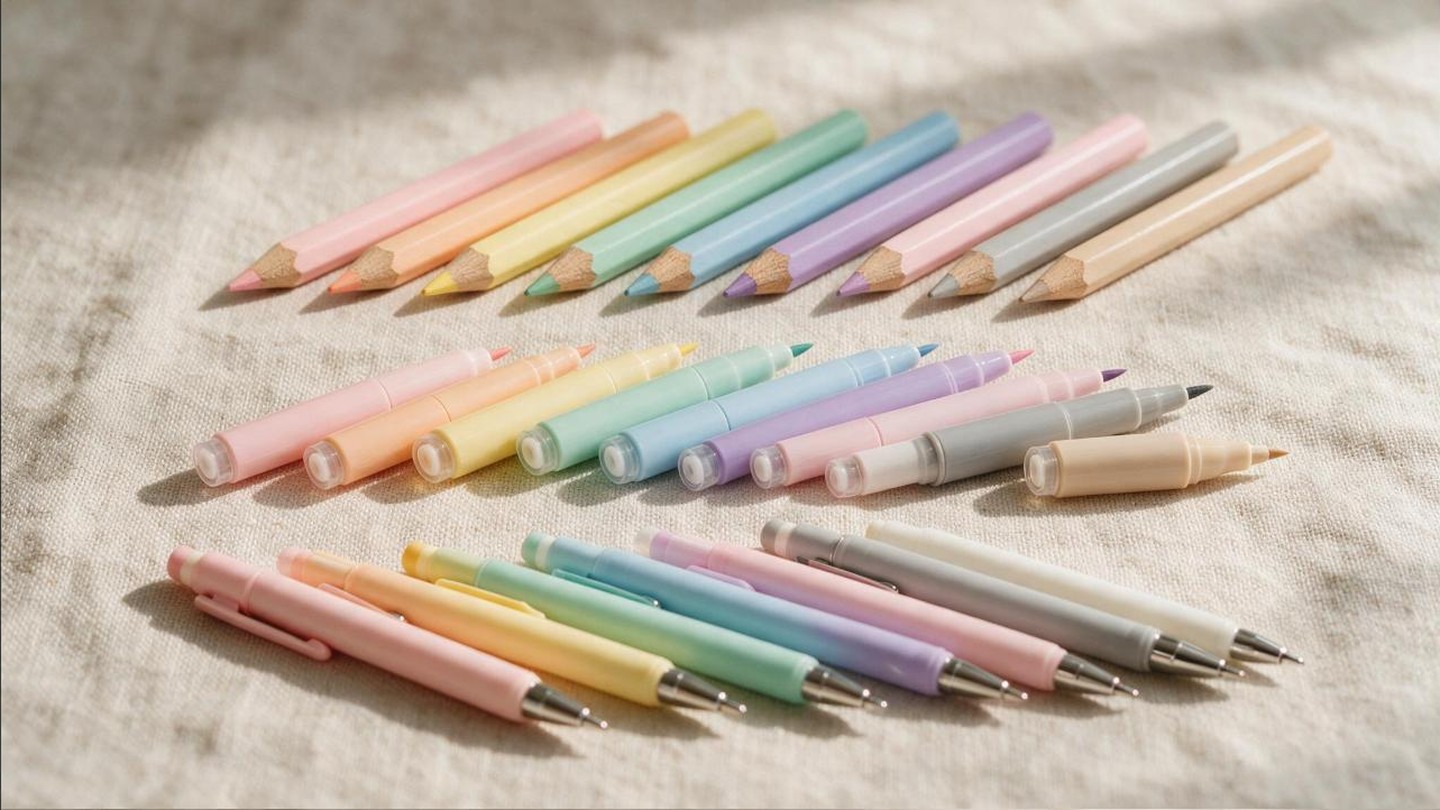
The coloring page matters less than what you fill it in with. The same design looks like a different book depending on whether it is coloured with pencils, markers or gel pens — and each one behaves differently on printed paper, which is not the same surface a marketing photo was likely tested on. Here is what each option is actually good at, and what to buy first.
Coloured pencils
The safest starting point, and the one that works on almost any paper without bleeding through. Coloured pencils reward patience: you can layer colour, blend with a light touch, and go back over an area to deepen it. They are slower than markers and give softer, less saturated colour, which suits detailed botanical or mandala-style pages better than bold graphic ones.
Buy: a set with at least 24 colours if you want smooth blending room. Wax-based pencils (Prismacolor-style) blend more easily; oil-based hold a sharper point longer. Either is fine to start.
Alcohol-based dual-tip markers
These give the saturated, almost glossy colour people associate with professional-looking pages, and they blend into each other while still wet for smooth gradients. The trade-off is that alcohol ink soaks through thin paper fast — on standard copy paper it will bleed onto whatever is underneath, so marker work needs the right paper stock or a blank sheet behind the page.
They are also the most expensive option per pen and dry out if left uncapped, so they are a bigger commitment than pencils or gel pens for someone still deciding if colouring is for them.
Gel pens
The middle ground: brighter and more opaque than pencil, without the bleed risk of alcohol markers on most papers. Metallic and glitter gel pens are popular for small detail work — borders, highlights, tiny enclosed shapes — rather than filling large areas, since they can go patchy over a big space and take longer to dry, which risks smudging under your hand.
| Blending | Bleed-through risk | Best for | |
|---|---|---|---|
| Coloured pencils | Good, with patience | None | Detailed patterns, beginners |
| Alcohol markers | Excellent | High on thin paper | Bold, saturated pages |
| Gel pens | Limited | Low | Detail, highlights, accents |
What matters more with printable pages
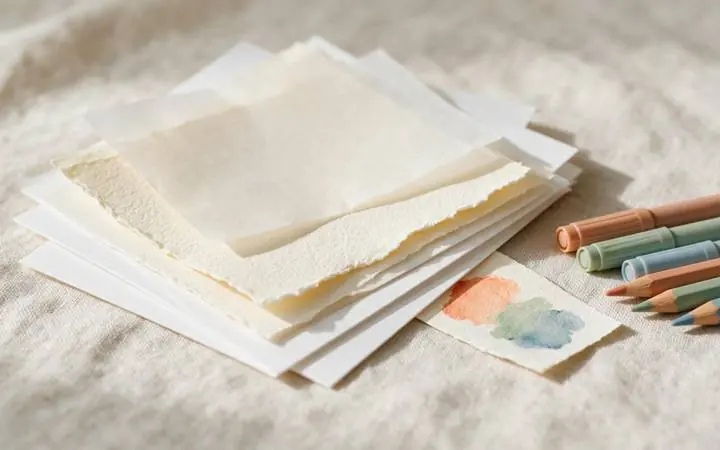
If your pages are printed at home rather than bought as a bound book, paper choice does more work than any single pen. A heavier cardstock (100 gsm or more) holds markers without soaking through and takes pencil layering better than standard copy paper. Our paper guide covers weights and finishes in more detail, and pairs directly with whatever you pick here.
A simple starter kit
If you only want to buy one thing to begin with, a mid-size set of coloured pencils (24–36 colours) on decent cardstock covers the widest range of pages without any bleed-through risk. Add a couple of gel pens later for detail work, and only move to alcohol markers once you know you will use them enough to justify the paper and cost.
Pages worth breaking out the good pencils for
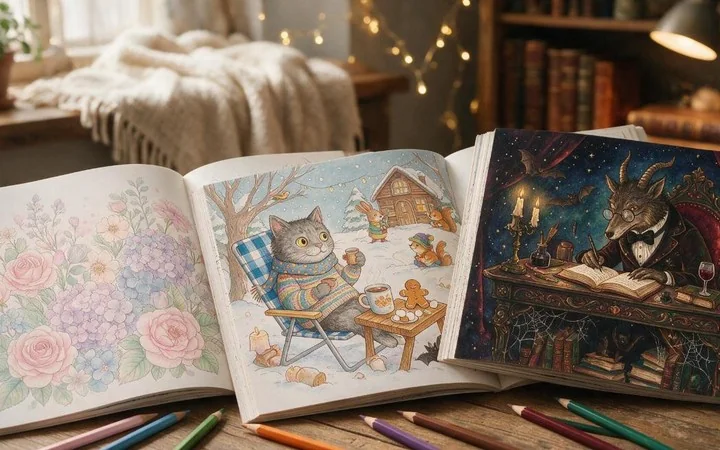
Detailed botanicals, cosy scenes and denser patterns designed to hold up to layering, blending and colour testing.
Browse the coloring collection →