How to stop markers bleeding through your coloring pages
The page under the one you are colouring ends up with a ghost copy of whatever you just filled in, or worse, the desk does. It is one of the most common complaints about markers and coloring books, and it is a paper problem far more often than a marker problem.
The short answer
Slide a blotter sheet, a spare page or a scrap of cardboard, under the page you are colouring right now, that stops the immediate damage. For every page after that, move to heavier cardstock or dedicated marker paper, since standard printer paper and most coloring book paper is too thin to hold alcohol-based ink on the surface. Matching paper to marker type solves more of this than switching marker brands does.
Why it happens
Two things determine whether ink bleeds through: how the ink is designed to behave, and how absorbent the paper is. Alcohol-based markers, the dual-tip kind popular for adult coloring, are built to spread and blend on the surface, which is exactly what makes them good at shading, and exactly what makes them soak straight through anything thin. Standard printer paper sits around 70 to 90 gsm, well under what alcohol ink needs to stay on top.
Water-based markers and coloured pencils behave differently. The ink or pigment sits closer to the surface rather than spreading through the fibres, so the same thin paper that fails with alcohol markers usually holds up fine with either of those.
Fix 1: change the paper
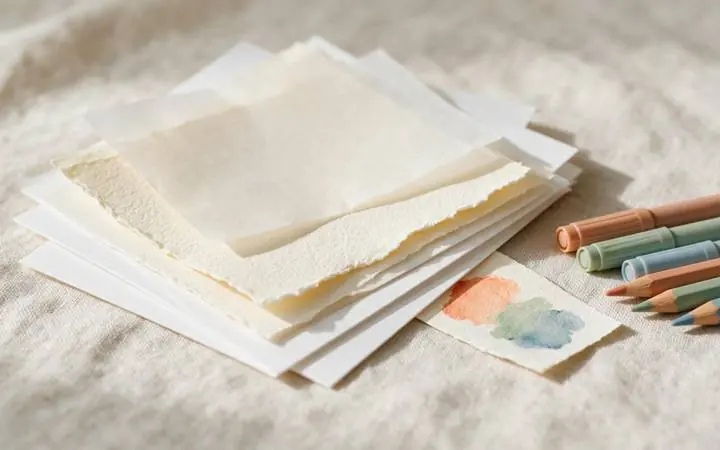
This is the fix that actually solves it rather than working around it. Cardstock at 200 gsm or heavier gives alcohol ink enough thickness to stay on the surface. Dedicated marker paper goes further, with a coating designed specifically to stop bleed-through and keep colours vivid rather than muddy. Our full breakdown of weights, textures and which to pick for what you colour with is in the best paper for printable coloring pages.
Fix 2: use a blotter sheet underneath
For a page you are colouring right now, on paper you cannot change, a spare sheet or a piece of thin cardboard slid underneath catches whatever soaks through before it reaches anything else. It will not stop the ink reaching the back of the page you are on, but it protects the page beneath it and the desk, which is usually the actual damage people are trying to prevent.
Fix 3: match your markers to the paper you already have
| Marker type | Bleed risk on thin paper | Works well on |
|---|---|---|
| Alcohol-based dual-tip | High | Cardstock, dedicated marker paper |
| Water-based markers | Low to moderate | Most printer paper and book paper |
| Gel pens | Low | Most paper types |
| Coloured pencils | None | Any paper |
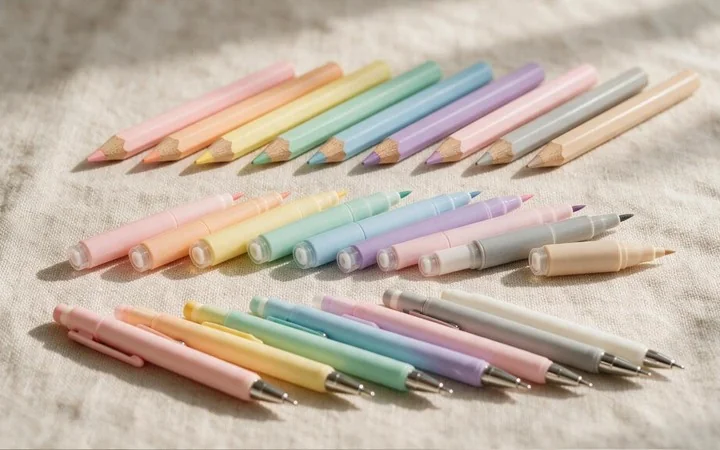
If the pages you already have are thin, water-based markers or coloured pencils will get you further without a bleed problem than switching alcohol marker brands will. Our guide to pens, pencils and markers for adult coloring books covers which type suits which kind of page.
If it has already bled through
For a page already ruined, the practical options are reprinting it on better paper if you have the file, or colouring only one side of any page going forward and treating the coloring book itself as single-sided. Framing a finished piece also hides a lot: the front is what shows, and nobody sees the back once it is behind glass.
Print it right the first time
Our printing guide covers the paper and printer settings that stop bleed-through, fading and washed-out colour before you even pick up a marker.
Read the printing guide →