Coloring pages for dementia patients: what actually helps

This is usually a search done on someone else's behalf, a parent, a patient, someone in memory care, rather than for the searcher themselves. The short version: yes, coloring generally helps, but the pages that work well for a busy mind are not the same pages that work well here.
Why it works as a memory care activity
Coloring is a common low-demand activity in memory care and assisted living settings, and the reason is simple: it gives restless hands and attention somewhere gentle to go, with no test to fail and no memory of the last page required to enjoy the next one. There is nothing to get wrong. A finished page does not need to look a particular way to count as a success.
It also does not require conversation to be worthwhile, which matters on days when talking is harder than usual. Sitting together over a page is still shared time, even in silence.
What kind of pages actually work best
This is where it differs from the general advice for adult coloring. A busy, anxious mind benefits from dense, intricate mandala-style patterns, the kind with plenty of small shapes to hold attention. That is close to the opposite of what helps here.
- Fewer, bigger regions. Simpler line art with large enclosed areas is easier to fill and far less likely to cause frustration than fine detail.
- Familiar, concrete subjects. Flowers, animals, everyday objects, a house, a teacup, tend to land better than abstract geometry, which can feel meaningless rather than calming.
- Bold, visible outlines. A thick printed line stays easy to see and easy to colour inside even with a less steady hand, where a thin line disappears under the first stroke.
- Nothing overstimulating. Busy, high-contrast, cluttered pages can do the opposite of calm for this audience, even though they work well for the busy-mind case.
A few practical things that help
- Let them lead the length. Ten to twenty minutes is typical. Ending on their cue, not a timer, keeps it something they want to return to rather than a task to get through.
- Skip the correcting. Colour outside a line, an odd colour choice for a flower, none of it matters. The point is the activity, not the result.
- Keep a small, simple set of colours on hand. Too many options can be its own small source of stress. A handful of colours is usually enough.
- Display finished pages. On a fridge, a wall, a folder they can flip through. Seeing the pile grow is its own quiet reward.
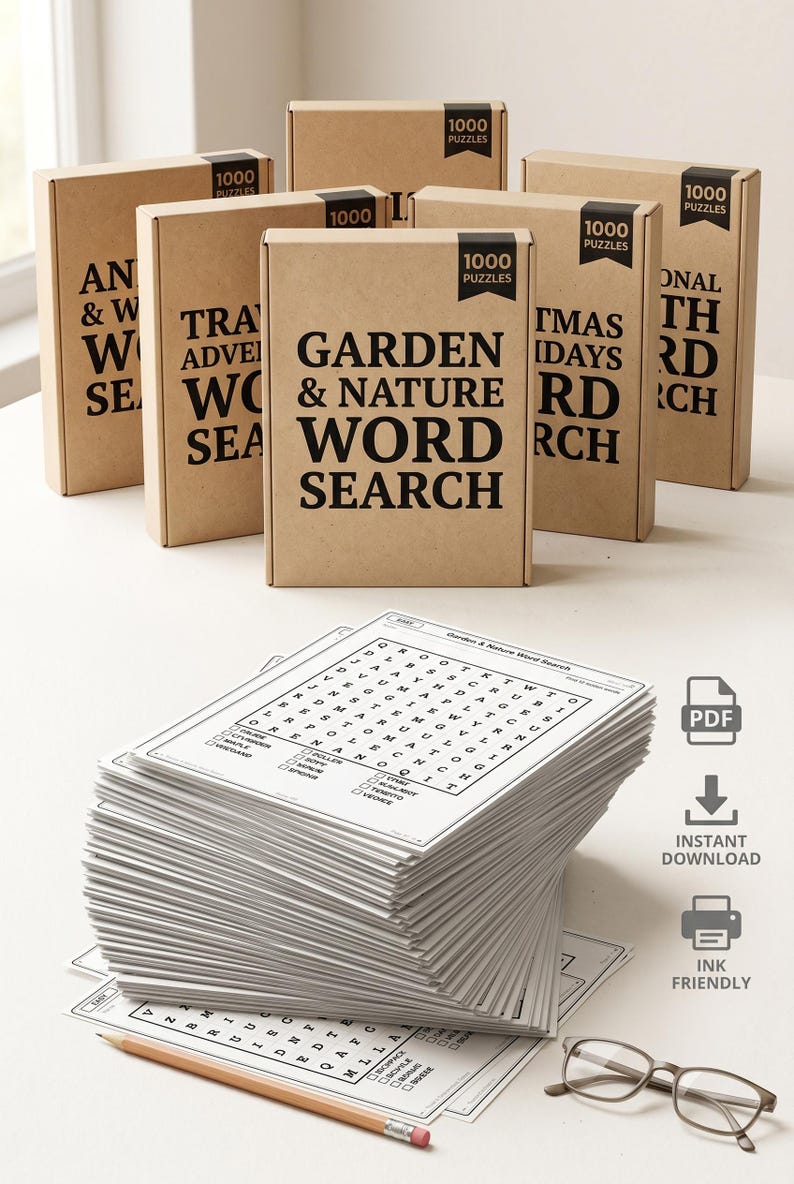
If word puzzles are more their thing, or worth having alongside coloring, the same low-demand logic applies to large-print word search puzzles for seniors, a format built around the same idea: simple, low-pressure, easy on the eyes.
Where to start
You do not need a specialised "memory care" product to get this right, just a simpler, larger-print page than the ones aimed at a busy mind. Our free printable coloring pages post links to pages you can print and try today, and our printing guide covers the settings that keep lines bold and clear rather than washed out.
Simple, calming patterns
Botanicals, cosy scenes and everyday objects, printed with bold, easy-to-follow outlines.
Browse the coloring collection →