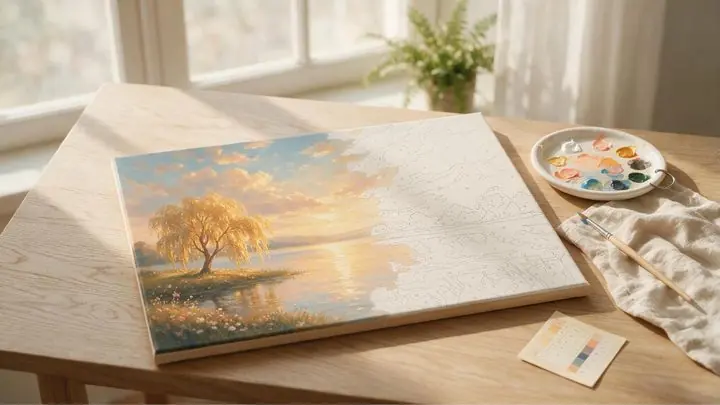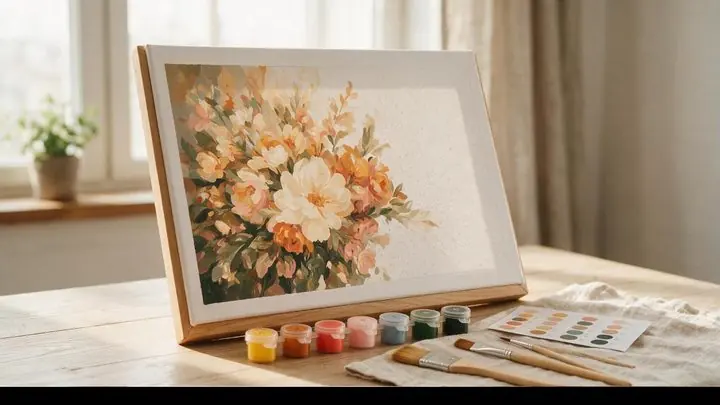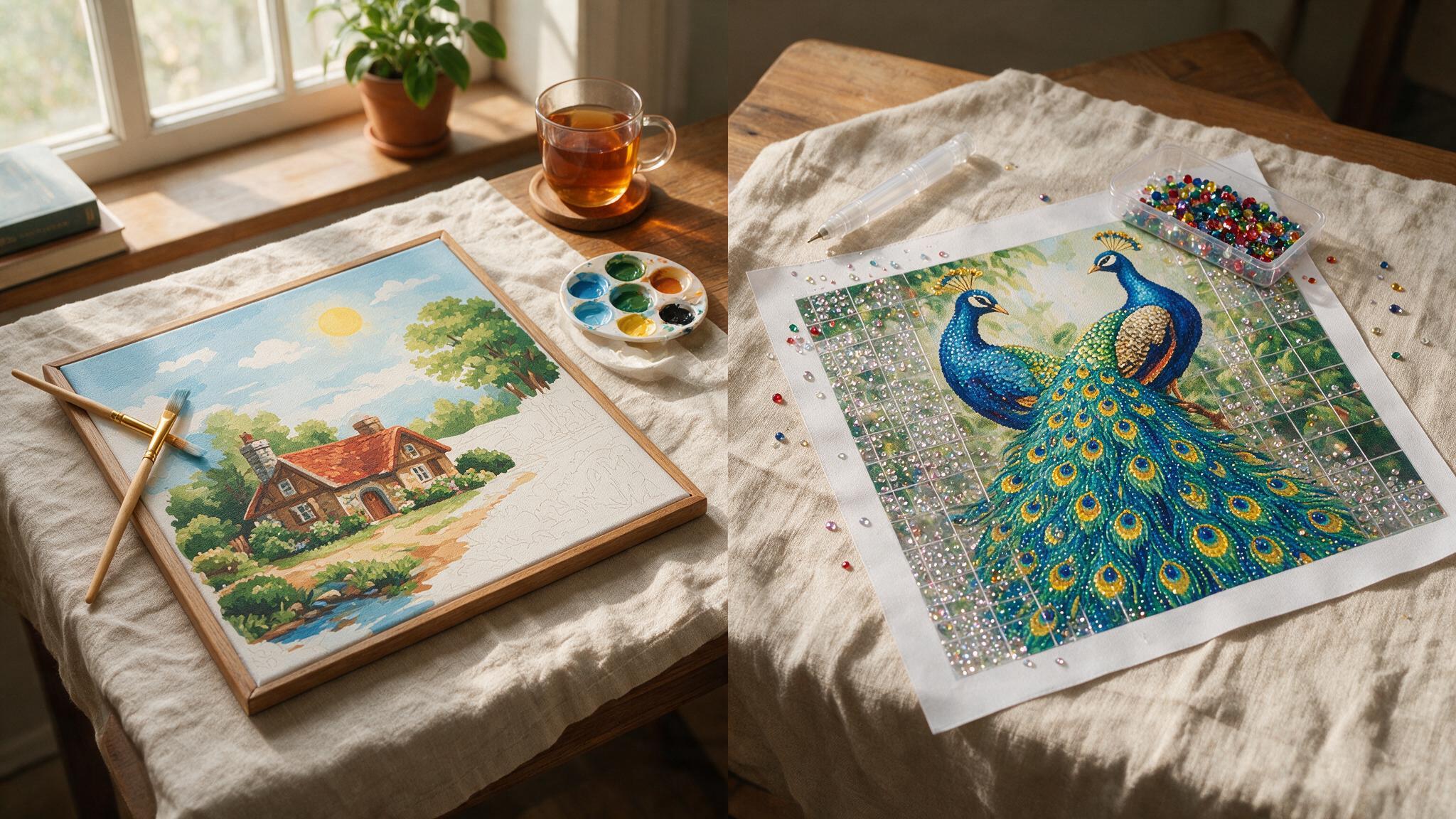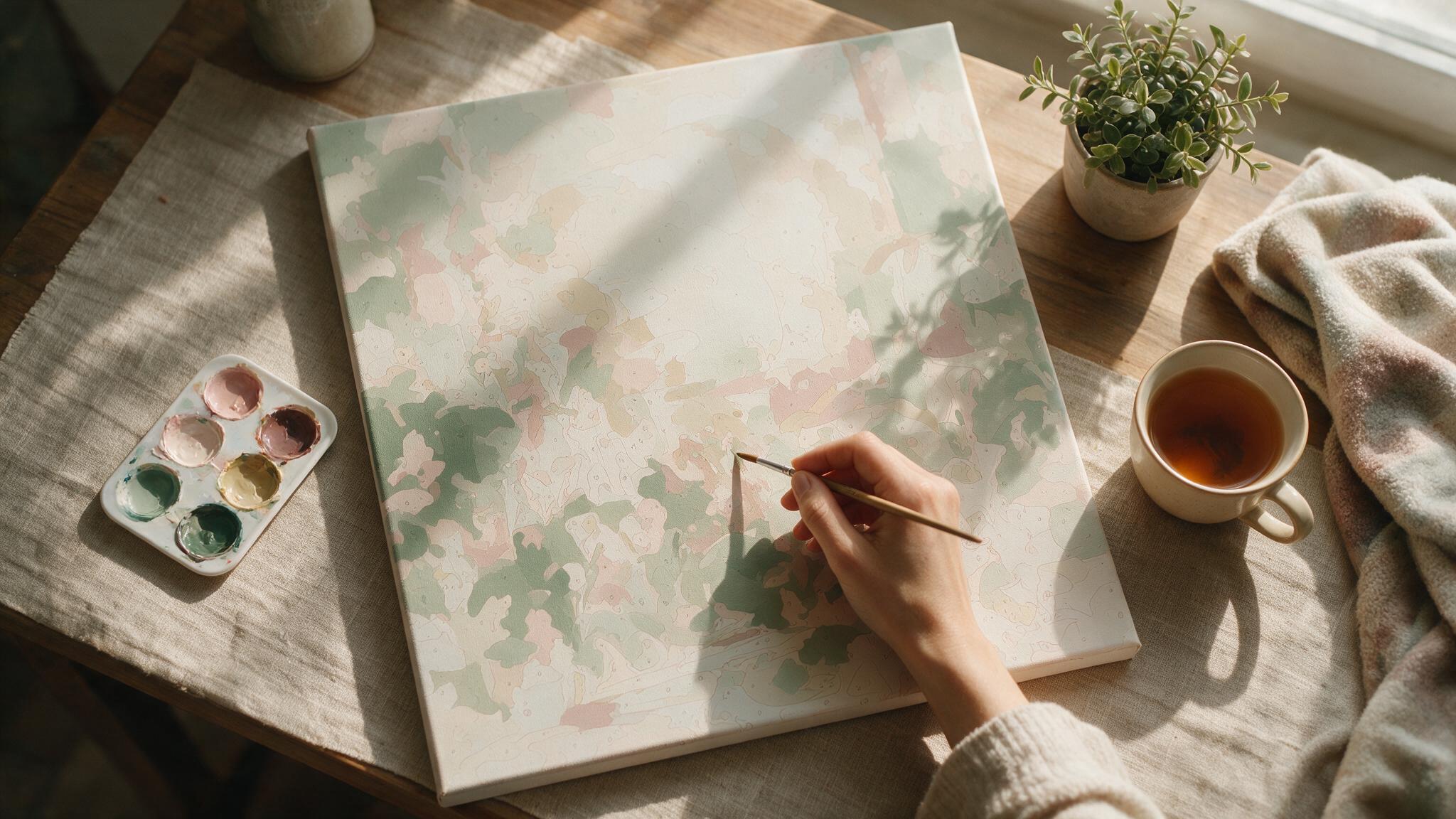
Is paint by numbers cheating?
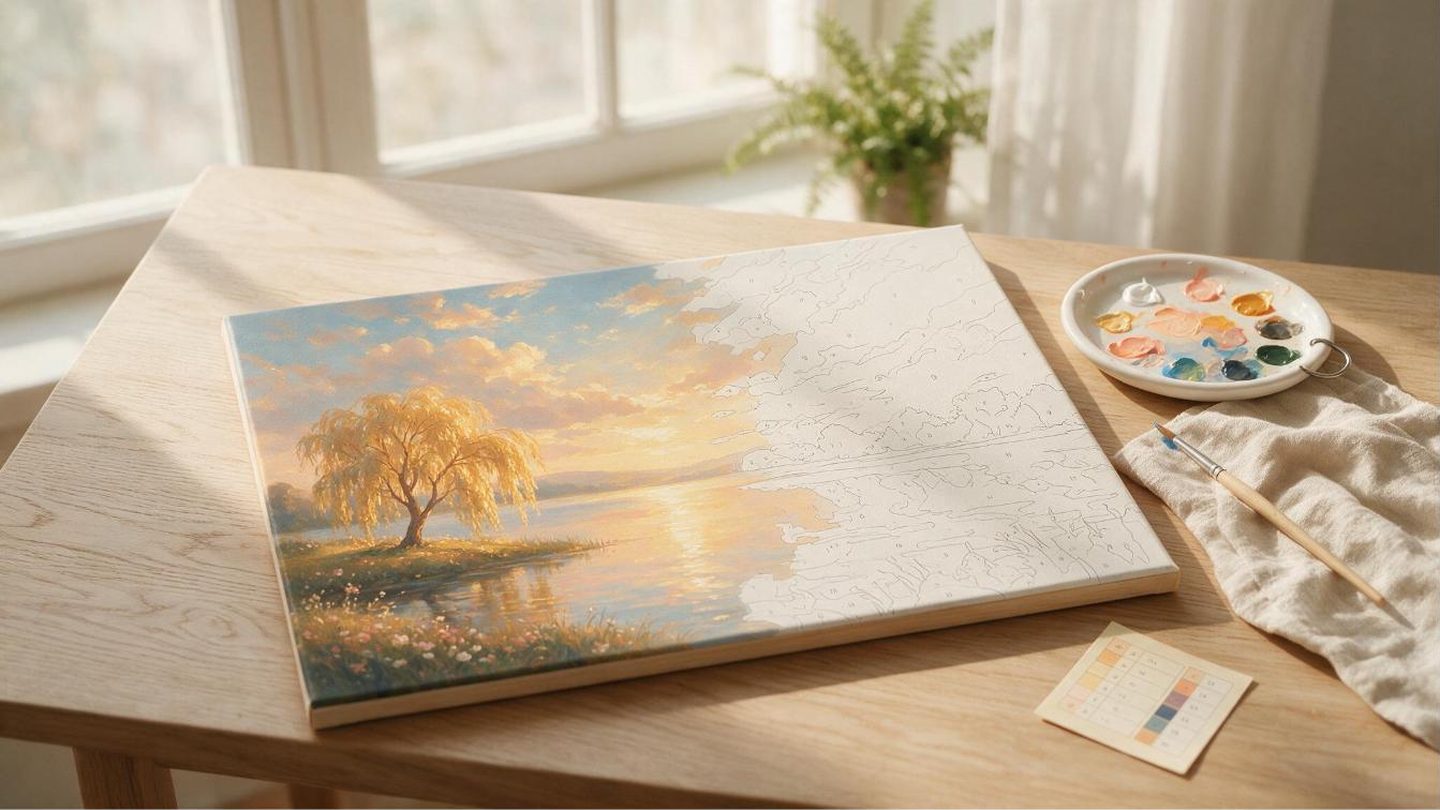
No, it is not cheating, and the defensive version of that answer usually stops there without saying why. Here is the actual argument, not just the reassurance.
Why people ask this
The objection is not really about paint by numbers specifically. It is an old idea about what counts as "real" art, one that treats any use of a template, a guide or a pre-made structure as a shortcut rather than a method. Tracing gets the same criticism. So does using a grid to scale a reference photo, a technique professional painters have used for centuries. The common thread is that a template feels like it removes the hard part, so the result must not really count.
The trouble with that logic is deciding where the line actually sits. A colour-by-number kit is an obvious example. But so, arguably, is a paint set that mixes colours for you, a canvas that is already primed, or a reference photo propped next to the easel. Nobody seriously argues those disqualify a painting. The line gets drawn wherever it is convenient to draw it.
What the objection gets right
It is fair to say a paint-by-numbers piece is not original art in the way an unplanned painting is. Someone else chose the composition, the palette and where every region sits. You did not design the picture. That part of the criticism is accurate, and there is no point arguing otherwise.
Where it stops being useful is in assuming that the design is the only skill involved, and that removing it removes the whole activity. It does not. It isolates a different part of the process and asks you to do that part properly.
What you actually practise
Take the design and the colour choices out of the equation, and what is left is real, physical, learnable skill:
- Brush control. Staying inside a printed line at a small scale is a fine motor skill, not a given. It gets noticeably better over a few kits.
- Colour matching. Loading a brush with the right amount of paint, keeping colours from bleeding into the region next to them, and judging when a coat needs a second pass.
- Working in sequence. Deciding which regions to fill first, how to avoid smudging what you just painted, and pacing a piece across more than one sitting.
- Finishing what you start. This one is easy to underrate. A blank canvas and total creative freedom is exactly the condition under which most people never finish a painting at all.
None of that is nothing. It is the same manual practice a beginner would eventually need for unstructured painting, just isolated from the much harder problem of deciding what to paint.
A useful comparison: recipes, not shortcuts
A cook following a recipe is still cooking. The recipe supplies the composition, the dish someone else designed, the ratios someone else worked out. The cook still has to control heat, season by taste, and get the technique right, or the dish fails regardless of how good the recipe is. Nobody calls that cheating at cooking. It is how most people learn to cook at all, before they start improvising their own dishes.
Paint by numbers sits in the same place. The design is supplied. The execution is not, and execution is most of what separates a finished, presentable painting from a mess.
When it is a stepping stone, not a substitute
Where the criticism does land is if a kit becomes the only thing someone ever paints, with no interest in eventually working from their own ideas. That is a choice about what you want from the hobby, not a flaw in the format itself. Plenty of people are entirely happy treating it as the destination, the way plenty of cooks are happy always working from a recipe, and there is nothing wrong with that either.
For anyone who does want to move toward unstructured painting eventually, a kit is a genuinely sensible place to start rather than a detour. It builds the brush and paint-handling skills first, in a low-stakes setting where a bad decision does not ruin an original composition you were attached to. Our guide on how many colours a beginner should start with covers the practical side of picking a first kit that actually teaches you something instead of just being tedious.
So, is it cheating?
No. Cheating implies getting a result without doing the work the result represents. A finished paint-by-numbers canvas represents hours of brush control, colour handling and patience, and that work genuinely happened. What it does not represent is original composition, and it was never claiming to. The "not real art" argument is really a gatekeeping argument about which skills count, dressed up as a factual claim about the format.
Start with something you would hang up
Physical and digital kits, licensed original paintings, sixteen colours to ninety-six.
Browse paint by numbers →