What is a mystery mosaic?
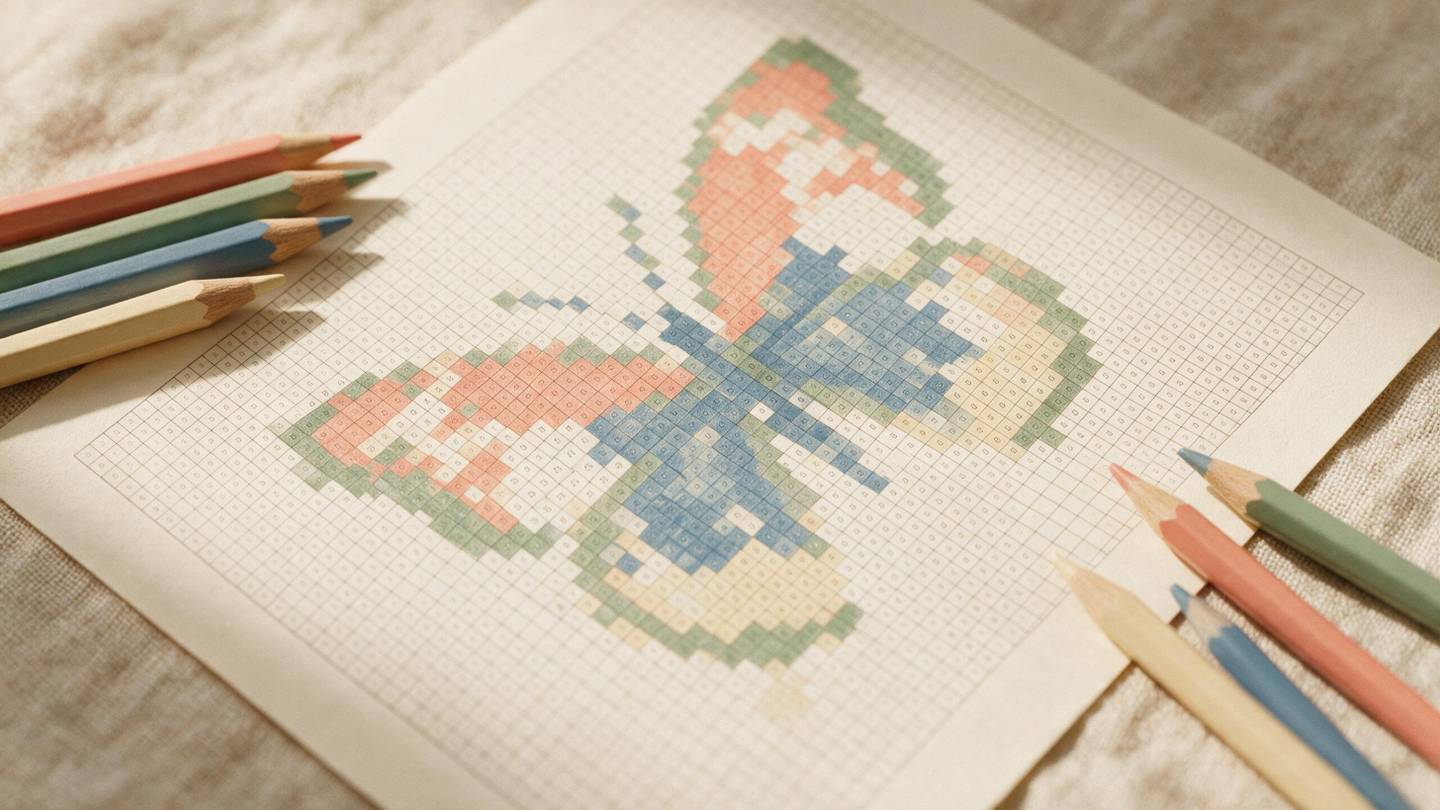
A mystery mosaic is a colour-by-number puzzle drawn on a grid. Every square holds a small number, every number maps to a colour, and you fill the squares in one by one. The twist is in the name: you cannot tell what the picture is when you start. It assembles itself under your hands, usually somewhere around the halfway mark, and that moment of recognition is the entire point of the format.
They also go by pixel colour by number, colour by number mosaic and occasionally mystery pixel art. Same thing.
How one actually works
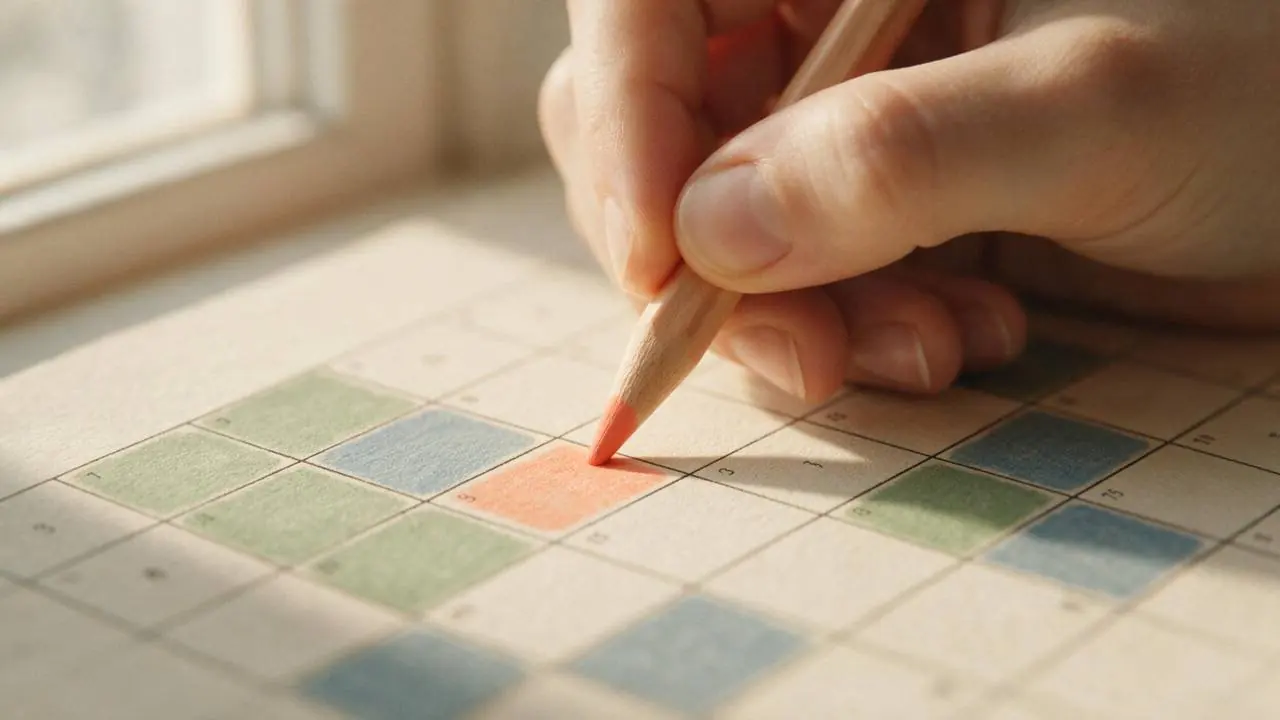
You get a printed grid — typically somewhere between 30×30 and 60×60 squares — and a small colour key down the side. Square marked 4, look up 4 on the key, fill it in with that colour. Repeat a few hundred times.
Because each square is a flat block of one colour, the finished image reads like pixel art: blocky up close, resolving into a recognisable picture when you hold it at arm's length. The larger the grid, the finer the detail and the longer the sit.
How it differs from paint by numbers
They sound similar and they are not the same activity at all.
| Mystery mosaic | Paint by numbers | |
|---|---|---|
| Shape of the regions | Identical squares on a grid | Irregular shapes following the artwork |
| Can you see the picture? | No — that is the puzzle | Yes, the outlines show you |
| Finished look | Pixel art, blocky and graphic | Painterly, close to a real painting |
| What it asks of you | Patience and place-keeping | A steady hand |
| Usual medium | Coloured pencil or fine marker | Paint, or digital fill |
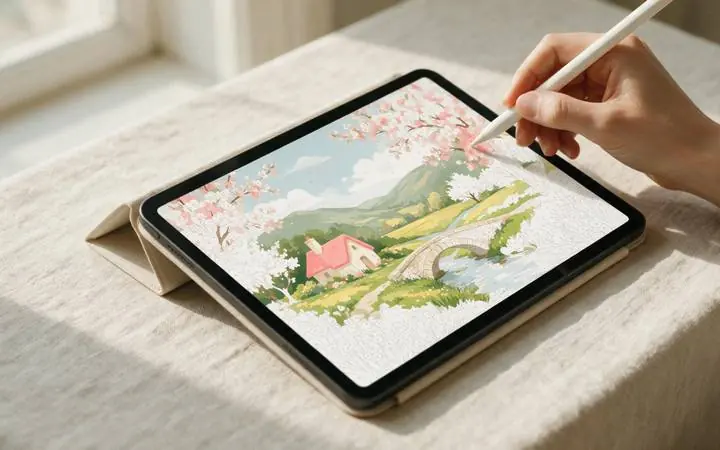
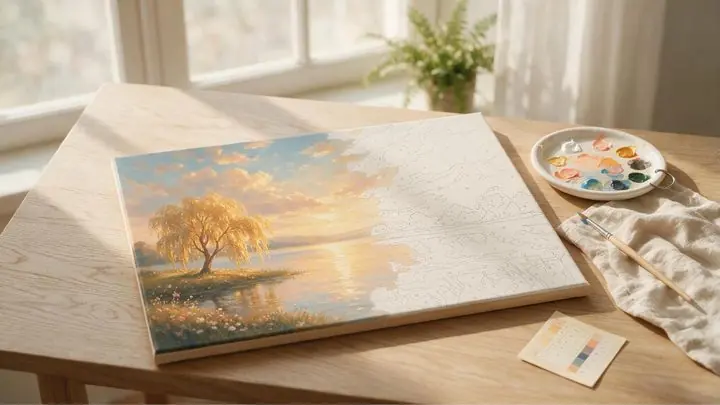
Put simply: paint by numbers is about the making of a picture you already chose. A mystery mosaic is about the reveal. If you want to know what you are getting, our digital paint-by-numbers guide is the other side of that coin.
And from ordinary colour by number?
A regular colour-by-number page is a line drawing — a cat, a bunch of flowers — with numbers dropped into the shapes. You can see exactly what it is before you start; the numbers only tell you which colours to use.
A mystery mosaic withholds the drawing entirely. There are no outlines, only the grid. That single difference changes the whole experience: less colouring-in, more slow puzzle.
What you need
- Coloured pencils. A set of twelve covers most designs; twenty-four gives you range on the bigger ones. Fine-tip markers work too, but see the note on bleed below.
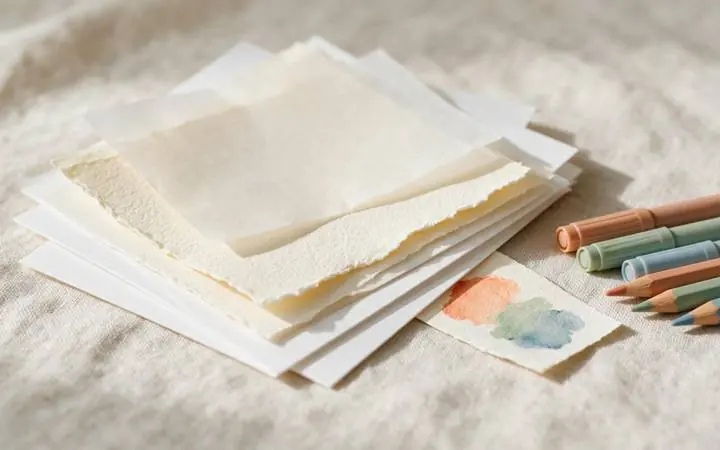
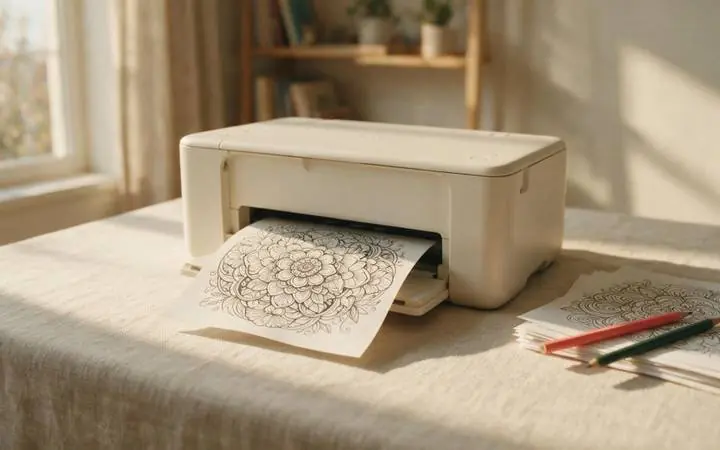
- A printer and ordinary paper. These do not need heavy cardstock — the squares are small and you are not layering. Plain 100 gsm is plenty. Our paper guide covers when you would want something heavier.
- A ruler or a sticky note. The single most useful thing on the table, for reasons that become obvious about ten minutes in.
Six things that make it go smoothly
- Work one colour at a time, not one square at a time. Pick up the coral pencil, fill in every coral square on the page, then move on. Far faster than swapping pencils constantly, and you make fewer mistakes.
- Keep a straight edge under your current row. A ruler or folded sticky note stops your eye sliding into the row below. This is the difference between a relaxing hour and a frustrating one.
- Start with the lightest colours. If you slip, a light square can be covered by a darker one. The reverse does not work.
- Press lightly. You want even, flat coverage, not saturation. Heavy pressure makes neighbouring squares bleed into each other visually and flattens the crispness the format depends on.
- Tick off the key as you go. Cross out each number on the colour key once its squares are all done. It stops you hunting for stragglers at the end.
- Resist the urge to guess. People often spot the subject early and start filling in what they think it is. That is how you end up with a fox with three ears.
Picking a grid size
Grid size is the difficulty dial, and it matters more than the theme:
- Around 30×30 — roughly an hour. Good for children, good for a first try, good for a train journey.
- Around 40×50 — two or three sittings. The sweet spot for most adults: long enough to be absorbing, short enough to finish.
- 60×60 and up — a project. Genuinely detailed results, but expect to live with it for a week or so.
If you are buying for someone else and unsure, go smaller. An unfinished puzzle in a drawer is worse than an easy one on the fridge.
Why people find them calming
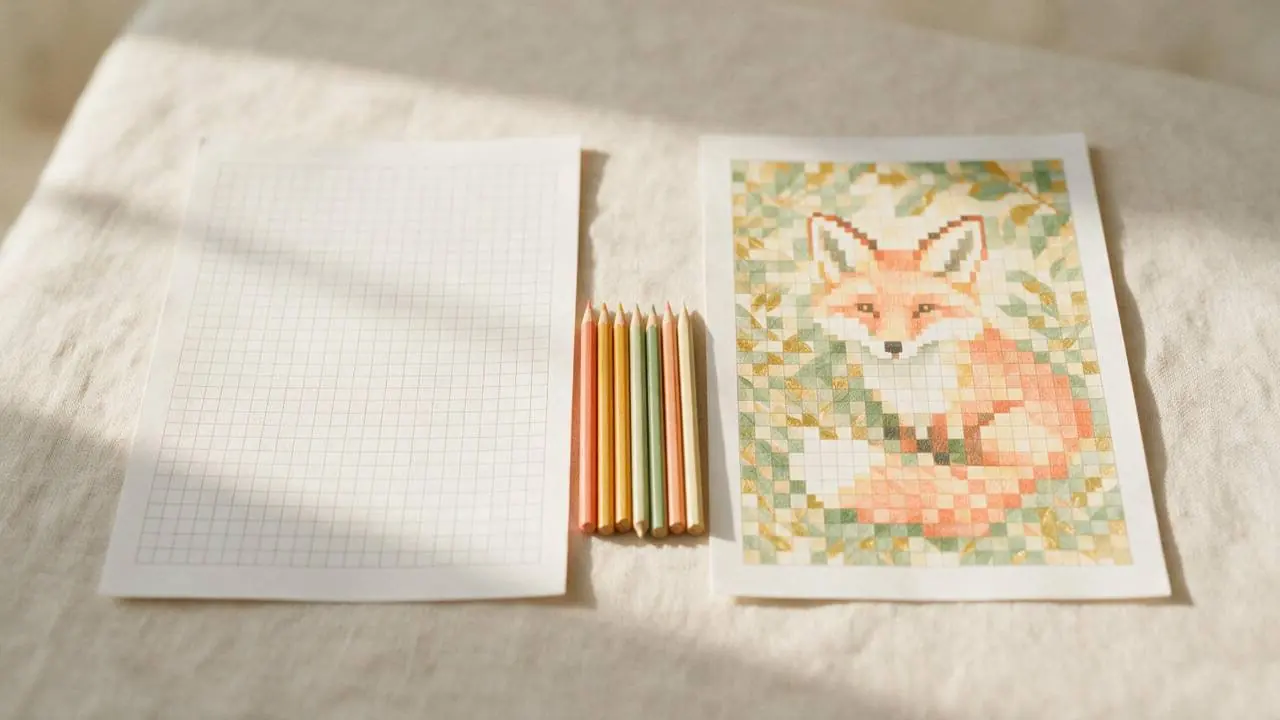
There is no judgement in a mystery mosaic. You are not trying to shade well or stay inside a curve — you are matching a number to a colour, several hundred times, and each square is unambiguously right or wrong. That combination of low stakes, clear rules and steady repetition is why people reach for them at the end of a long day, and it is the same reason cross-stitch and sudoku have lasted.
The reveal just gives you a reason to keep going.
Try one this evening
Butterflies, wild animals, retro gaming, sacred geometry, cottagecore and 90s nostalgia — grids from beginner to genuinely stubborn.
Browse Mystery Mosaic →